

Facial rejuvenation has come a long way, and many patients are looking for ways to address multiple signs of aging with a single treatment plan. One question that continues to generate discussion among plastic surgeons is whether deep plasma skin resurfacing can safely be combined with facelift surgery.
A recent interview featuring board-certified plastic surgeon Dr. Melinda Lacerna Kimbrell highlights new research exploring this combined approach and what it may mean for both surgeons and patients seeking comprehensive facial rejuvenation.
Traditionally, many plastic surgeons have preferred to perform facelift surgery and deep skin resurfacing as separate procedures. The main concern has been whether resurfacing newly elevated skin flaps could interfere with healing or increase the risk of skin complications, including skin necrosis.
However, Dr. Kimbrell’s recently published case series evaluated 96 consecutive patients who underwent a facelift, neck lift, and deep plasma resurfacing during the same surgical session. Her findings suggest that, when performed with proper patient selection and surgical technique, the combination can be both safe and effective.
According to Dr. Kimbrell, facial aging affects more than just sagging tissues. While facelift surgery lifts and repositions underlying structures, the skin itself may still show wrinkles, sun damage, uneven texture, and loss of elasticity.
Deep plasma resurfacing targets these surface concerns by stimulating collagen production and improving overall skin quality. When paired with facelift surgery — and in some cases fat grafting — the treatments work together to create a more complete rejuvenation rather than addressing only one aspect of facial aging.
One of the key points discussed in the interview is that combining these procedures requires experience and careful judgment.
Dr. Kimbrell explains that the facelift should always be completed first so the surgeon can evaluate the health of the skin before deciding whether to proceed with plasma resurfacing. If there are any concerns about blood supply or healing, resurfacing should be postponed.
She also emphasizes that surgeons should have extensive experience performing plasma resurfacing on its own before incorporating it into facelift procedures.
Although combining treatments may involve a slightly longer initial recovery than facelift surgery alone, Dr. Kimbrell notes that patients may ultimately spend less total time healing compared to staging each procedure months apart.
Another potential advantage is reducing the need for multiple surgeries and separate anesthesia exposures, making treatment more convenient for appropriately selected patients.
The interview also highlights the increasing use of regenerative therapies alongside facial rejuvenation procedures.
Dr. Kimbrell discusses techniques such as fat grafting, nanofat, platelet-rich plasma (PRP), stromal vascular fraction (SVF), and exosomes, which may support healing while enhancing long-term skin quality. She reports encouraging results with topical human dermal fibroblast exosomes, noting improvements in healing time and recovery in her clinical experience.
While these therapies continue to gain attention, ongoing research will help define their role in future facial rejuvenation protocols.
Dr. Kimbrell believes future studies should directly compare combined facelift and plasma resurfacing procedures with staged treatments to better understand differences in outcomes, recovery, and patient satisfaction.
She also hopes to see additional research exploring how wellness strategies — including optimized nutrition, photobiomodulation, hyperbaric oxygen therapy, cryotherapy, peptides, and infrared sauna treatments — may further enhance healing before and after cosmetic surgery.
Advances in facial rejuvenation continue to reshape how plastic surgeons approach aging. Emerging research suggests that combining deep plasma resurfacing with facelift surgery may offer comprehensive improvements in facial appearance without increasing complications when performed by an experienced surgeon using appropriate techniques.
As with any cosmetic procedure, treatment should always be individualized based on each patient’s anatomy, skin condition, overall health, and aesthetic goals. Consulting with a board-certified plastic surgeon is the best way to determine whether a combined approach is appropriate and to develop a personalized treatment plan.
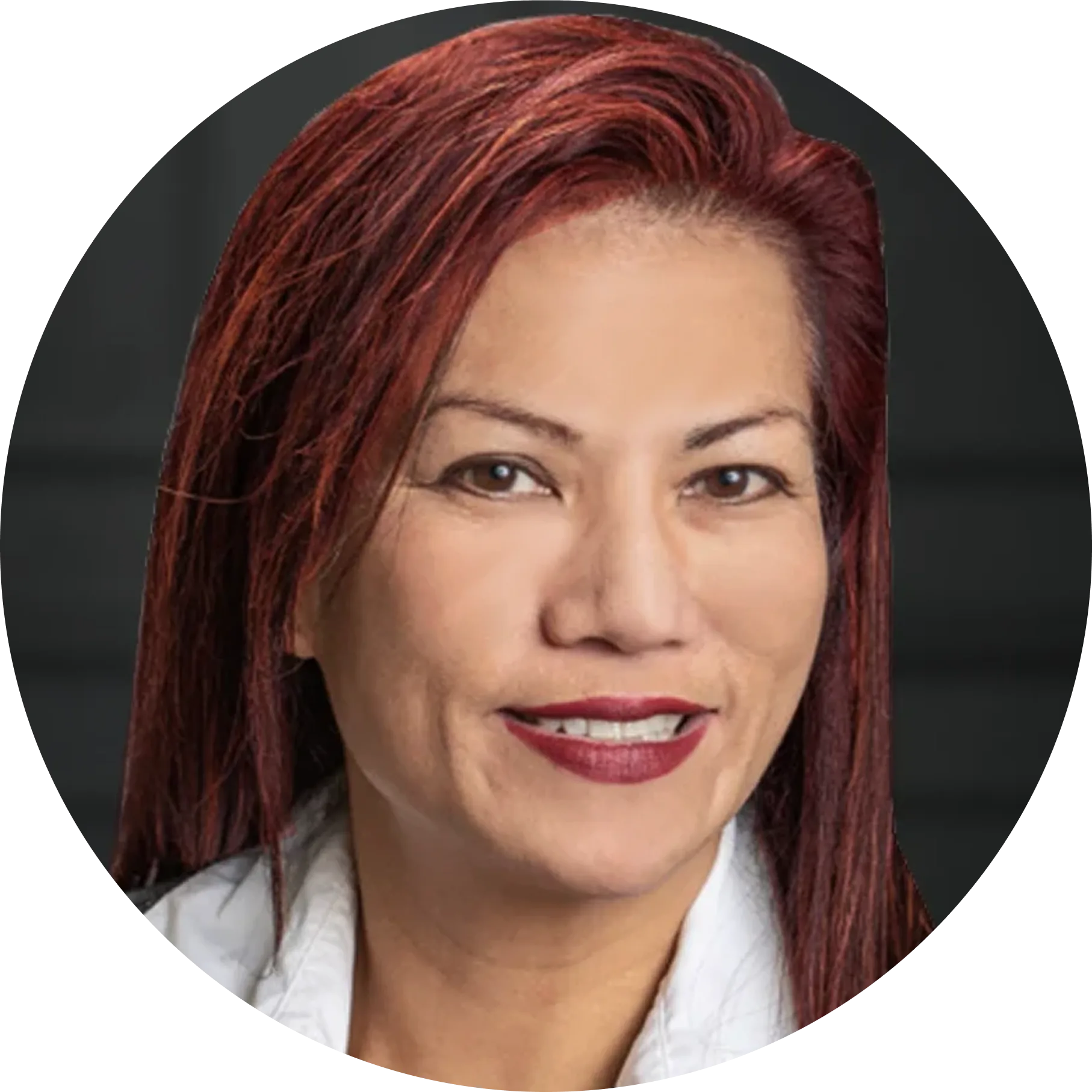
About the Author
Dr. Melinda Lacerna
Dr. Melinda Lacerna, a board-certified plastic surgeon, has over 20 years of experience providing exceptional cosmetic care. Her pioneering techniques have transformed the field of aesthetic surgery, earning her global recognition. Surgeons from around the world visit her center to learn and observe her innovative methods, which are soon to be featured in leading medical journals.
July 30, 2026