

Awake blepharoplasty is eyelid surgery performed while you are awake and comfortable, using local anesthesia to numb the eyelid area instead of putting you fully to sleep with general anesthesia. You stay alert, you can talk with your surgeon, and you walk out of the office the same day – often within a couple of hours of arriving.
This approach prioritizes patient comfort, safety, and surgical precision. If tired-looking eyes, heavy upper lids, or under-eye puffiness have been bothering you, understanding your anesthesia choices is a smart place to start.
Awake blepharoplasty is an eyelid surgery performed with the patient conscious rather than under general anesthesia. Numbing medication is placed in the treatment area so the eyelid tissue has no sensation, while you remain awake, breathing on your own, and able to respond to simple requests.
Blepharoplasty addresses two main concerns:
Upper eyelid targets excess skin and heaviness on the upper lid that can make the eyes look hooded or tired, and in some cases can crowd the upper field of vision.
Lower eyelid focuses on puffiness, bags, and loose skin beneath the eyes that make you look worn out even after a full night’s sleep.
The word “awake” describes the anesthesia plan, not a different operation. The surgical goals, the placement of incisions within the natural eyelid creases, and the aesthetic judgment involved are unchanged. What changes is your experience of the day.
An awake eyelid procedure feels much closer to an office visit than a hospital admission. You arrive at our Bradenton office and fill out the required paperwork. Your eyelids are marked while you are sitting upright – an important step, since eyelid skin behaves differently lying down – and the numbing medication is provided.
From there, you rest comfortably. You may hear conversation, music, or instructions from your surgeon. Because you are awake, your surgeon may ask you to open and close your eyes, providing real-time feedback on muscle function, symmetry, and the natural drape of the lid.
Afterward, cool compresses are applied, and you receive written aftercare instructions. Most patients are up, dressed, and heading home shortly after.
The appeal of staying awake is partly practical and partly emotional. Practically, skipping general anesthesia means skipping the grogginess, nausea, and long recovery-room monitoring that often follow it – many patients describe feeling clear-headed within an hour of finishing.
Most people go home the same morning or afternoon, rest with cold compresses, and are back to light activities within a few days. Because incisions are placed in the natural upper lid crease or just inside or below the lower lash line, healing lines are discreet and become difficult to notice as they mature.
Being awake allows patients to communicate with the surgeon throughout the procedure. In some cases, you may be asked to open and close your eyes or look in different directions, helping the surgeon assess eyelid position and symmetry in real time. This can support a more tailored and precise result.
Awake blepharoplasty eliminates the need for general anesthesia, which can be particularly appealing for patients who prefer to avoid its associated risks and recovery requirements. Local anesthesia can provide effective numbing while allowing the procedure to be performed with less disruption to your day.
Good candidates generally:
Are bothered by heavy, hooded upper eyelids – sometimes enough to obstruct the field of vision
Are concerned with puffy bags or excess skin under the eyes
Are in good, stable general health and able to obtain medical clearance
Have realistic goals – a rested, more open-eyed look rather than a change in identity
Are comfortable being awake and able to lie still for the length of the procedure
Do not smoke, or are willing to stop well before and after surgery
Have any eye conditions, such as chronic dry eye, evaluated in advance
Patients with significant anxiety about being awake, or who are combining eyelid surgery with more extensive facial work, may be better served by IV sedation. Neither choice is “better” – they are different tools, and the right one depends on the plan.
Recovery from eyelid surgery is usually more about patience than discomfort. A general picture:
Days 1–3: Swelling and bruising peak in the first 48 hours. Cold compresses, a head-elevated sleeping position, and prescribed ointments or drops make a real difference. Keep activity minimal.
Days 4–7: Bruising begins shifting color and fading. Many patients feel well enough for desk work or errands, though sunglasses are your friend.
Weeks 2–3: Most visible bruising resolves. Residual swelling may linger, especially in the lower lids and at the end of the day.
Weeks 4–8: Incision lines soften and lighten. The eyes start to look genuinely settled.
Months 3–6: Fine-tuned final results emerge as tissues fully relax.
Practical tips that help:
Sleep on your back with an extra pillow
Avoid bending, heavy lifting, and strenuous activity for the first couple of weeks
Skip eye makeup until cleared, and hold off on contact lenses until your surgeon says otherwise
Be diligent about sunscreen and sunglasses – Florida sun is unforgiving on healing skin
Even for awake procedures, we require that a responsible adult drive you to and from our Bradenton office and stay with you for the first day or few days to help with compresses, eye drops, and general safety. Your vision may be temporarily blurry from ointments, making it unsafe to drive.
Dr. Melinda Lacerna is a double board-certified plastic surgeon with more than 20 years of experience, certified by the American Board of Plastic Surgery and the American Board of Surgery, a Fellow of the American College of Surgeons (ACS), and a member of ASPS and ISAPS. She has performed over 1,000 procedures and is the inventor of the Signature Facelift (PlasmaLyft) and Plasma Browlift™. All eyelid lift consultations are scheduled with Dr. Melinda Lacerna.
Awake blepharoplasty is standard eyelid surgery performed under local anesthesia, so you remain alert and comfortable rather than fully asleep. The benefits are meaningful: no general anesthesia grogginess, a same-day return home, real-time surgical feedback, and a recovery measured in days rather than weeks.
If heavy upper lids or under-eye bags are making you look more tired than you feel, an eyelid consultation with Dr. Melinda Lacerna at our Bradenton office is the place to find out whether the awake approach is the right fit.
About the Author
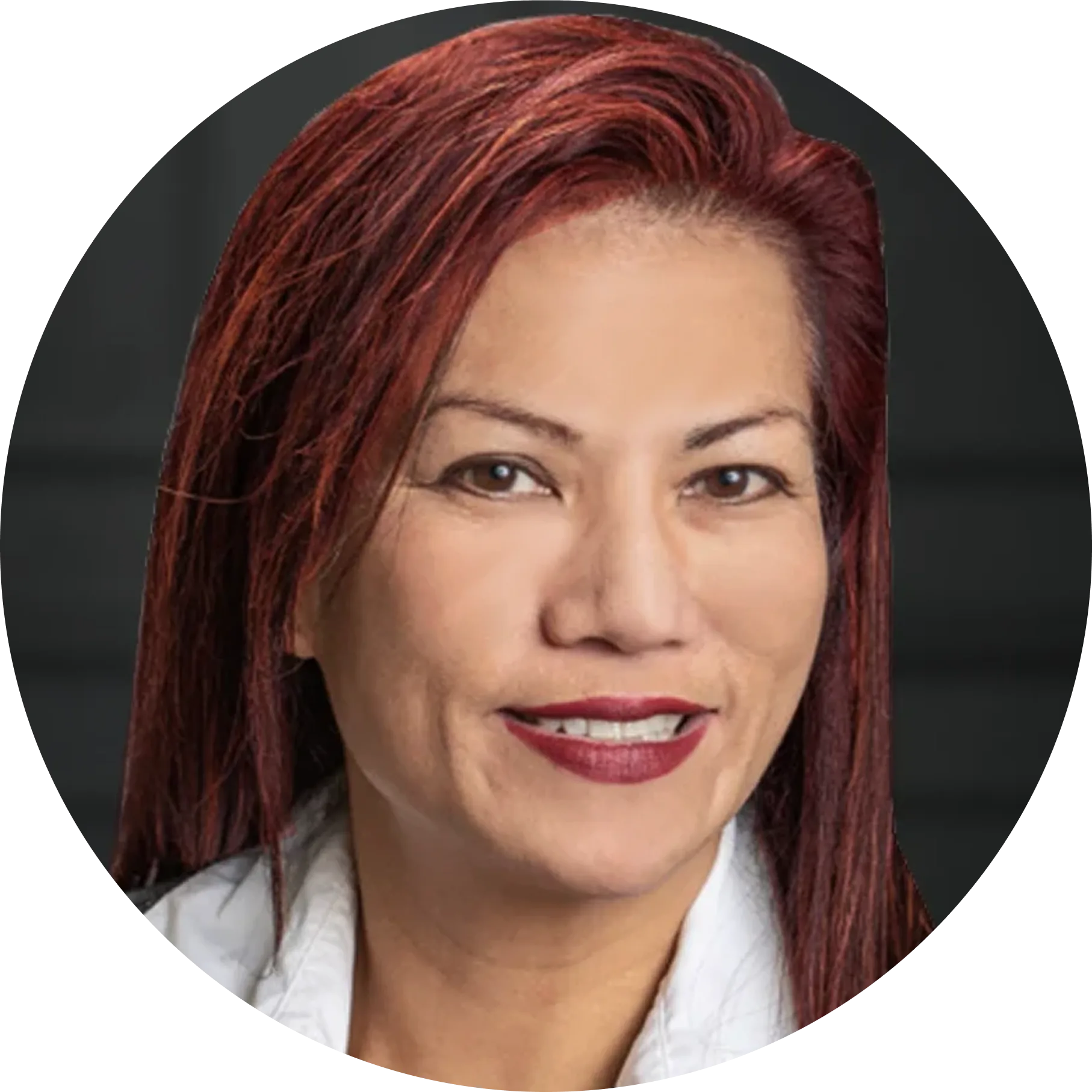
Dr. Melinda Lacerna
Dr. Melinda Lacerna, a board-certified plastic surgeon, has over 20 years of experience providing exceptional cosmetic care. Her pioneering techniques have transformed the field of aesthetic surgery, earning her global recognition. Surgeons from around the world visit her center to learn and observe her innovative methods, which are soon to be featured in leading medical journals.
August 12, 2026