


Botox and Dysport are both FDA-approved neuromodulators that smooth expression lines by relaxing the muscles that cause them. For most patients, neither is clearly better. Dysport may start working a day or two sooner and spread a bit more across a treatment area. Botox stays more tightly where it is placed, which suits small, precise areas. Both deliver similar, natural-looking results that last about three to four months. At LA Plastic Surgery in Bradenton, we offer both. This guide explains the differences so you can come to your visit with clear questions.
Botox and Dysport are prescription injectables made from botulinum toxin type A. Botox is the brand name for onabotulinumtoxinA. Dysport is the brand name for abobotulinumtoxinA. Both are approved for cosmetic use on frown lines between the brows. Providers also use them in other areas of the face.
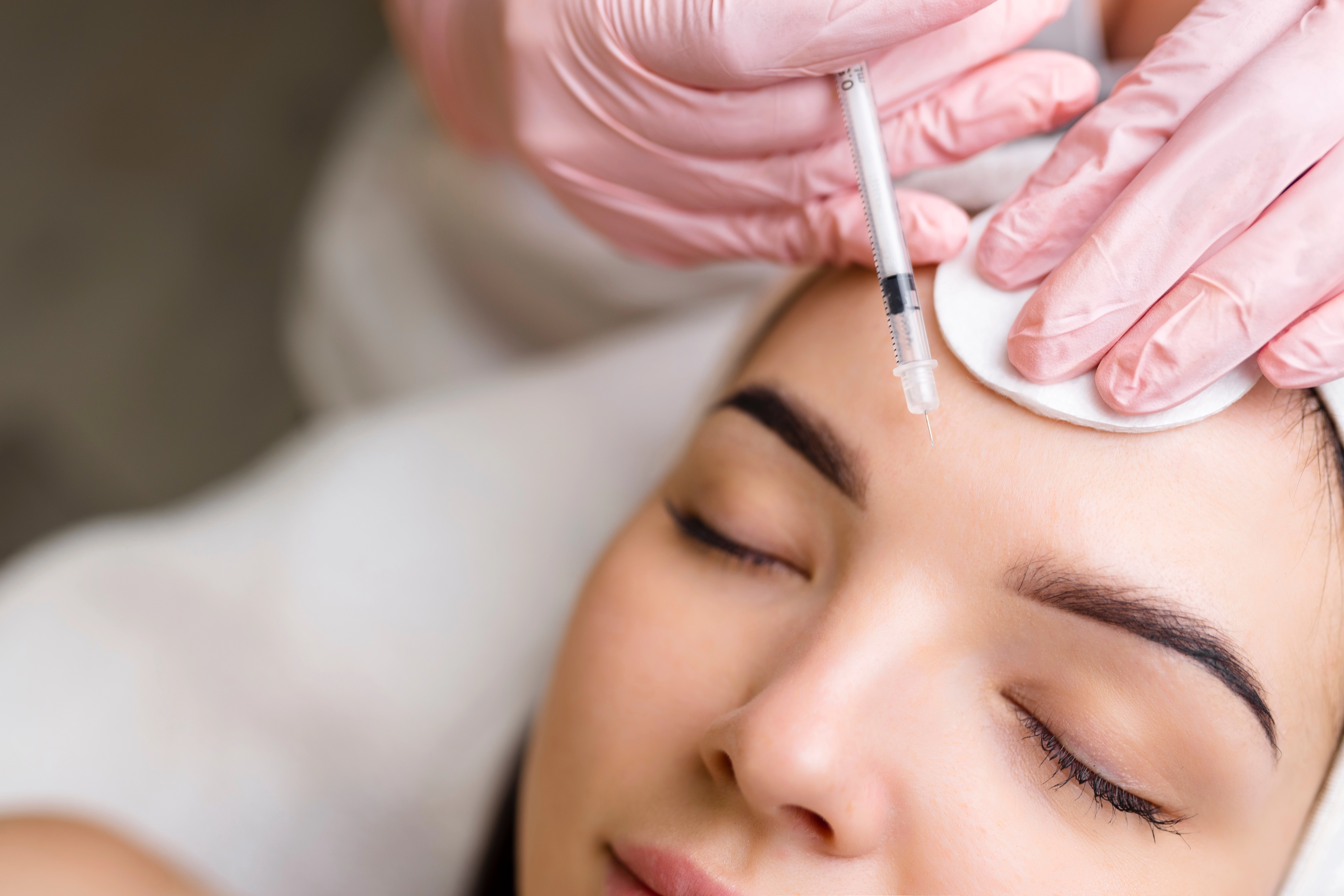
Every time you frown, squint or raise your brows, small facial muscles contract and crease the skin above them. Over the years, those repeated creases become lines that stay visible even when your face is at rest.
Both products block the nerve signals that tell these muscles to contract. The treated muscle relaxes and the skin above it smooths out. Muscles you do not treat keep working normally, so you can still smile, talk and show emotion.
The two products share an active ingredient, but they are made differently. These are the main differences:
Formulation: Dysport has fewer accessory proteins around the active molecule.
Spread: Dysport tends to spread a little more after injection. This can help across larger areas such as the forehead. Botox stays closer to where it is placed, which suits small or delicate areas.
Dosing: The two products use different unit measurements, so their unit counts do not match.
Onset: Some patients notice Dysport working a day or two sooner.
Both injectables work well when they are matched to the right area and dosed correctly. The more important choice is often how the product is placed for your facial anatomy.
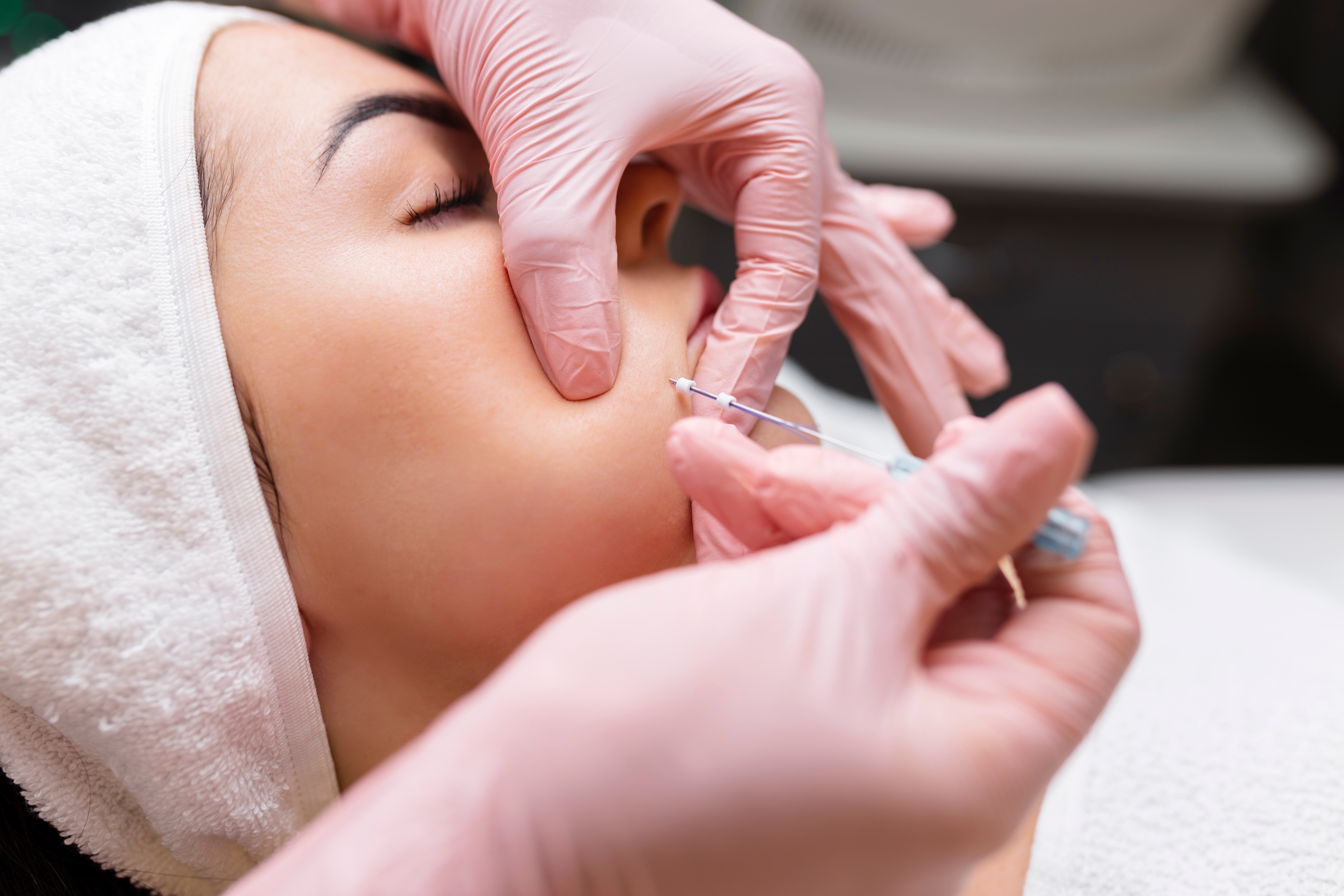
Our team uses Botox and Dysport for these common concerns:
Frown lines, often called the “11s,” between the brows
Horizontal forehead lines
Crow’s feet at the outer corners of the eyes
Mild brow positioning
Neck bands, in select patients
Men are also good candidates. We cover treatment for male patients on our Brotox for men page. Male facial muscles are often stronger and may need a different dose.
Because Dysport spreads a little more, many providers like it for broad, flat areas such as the forehead. It can soften lines evenly across a wide surface with fewer injection points.
Botox is often chosen for areas that need tight control. Examples include the area around the eyes and the lower face, where unwanted spread could affect nearby muscles. Lower-face treatment calls for careful, conservative dosing with either product, because these muscles control your smile and speech.
Dysport often starts working in about two to three days. Botox usually starts in about three to five days. With both, full results generally appear around two weeks after treatment.
If you are preparing for an event, plan your appointment at least two weeks ahead. This gives the product time to settle fully.
Results from both products typically last three to four months. Several things affect how long yours last:
How strong your muscles are
How quickly your body breaks down the product
The dose you receive
How often you have been treated before
Some patients find their results last longer after several regular treatments. This may happen because the treated muscles become less active over time.
Botox and Dysport have long safety records when trained providers administer them. Side effects are usually mild and short-lived.
The most common side effects with either product include:
Mild redness or swelling at injection sites
Small bruises
A mild headache for a day or two
Temporary tenderness
Less often, the product can affect a nearby muscle. This can cause a heavy-feeling brow or a slight eyelid droop. These effects are temporary and fade as the product wears off.
Neither product is recommended during pregnancy or breastfeeding. Patients with certain neuromuscular conditions may need to avoid treatment as well. Dysport may contain trace amounts of cow’s milk protein, so patients with a cow’s milk protein allergy should tell their provider.
Tell our team about all of your medications and supplements. Blood thinners and some supplements can make bruising more likely.
Cost often comes up when patients compare the two products. The key point is that you cannot compare them by unit price alone.
Both products are usually priced per unit or per treatment area. Your total depends on the number of units you need, the areas treated and how strong your muscles are. During your visit, your provider will recommend a dose based on your goals and anatomy.
No, the units are not interchangeable. Dysport is measured on a different scale, so a treatment usually takes about two and a half to three times as many Dysport units as Botox units for a similar effect.
A higher Dysport unit count does not mean you are getting a stronger treatment or paying more. When both products are dosed correctly, the overall cost of a treatment is often similar.
Comparing your options comes down to your anatomy, your goals and how your body has responded to past treatments. In most cases, either product can deliver a smooth, natural result.
Good candidates for either product usually:
Have expression lines that deepen when they move their face
Want a non-surgical way to soften those lines
Are in good general health
Understand that results are temporary and need upkeep
Are not pregnant or breastfeeding
Some lines are already etched into the skin at rest. These may need a combined approach, such as adding dermal fillers or skin resurfacing.
Keep these factors in mind as you compare Botox and Dysport:
Treatment area: Broad areas may suit Dysport. Small, precise areas may suit Botox.
Timeline: If speed matters, Dysport’s slightly faster onset may help.
Past results: If one product has worked well for you, staying with it is reasonable.
Muscle strength: Stronger muscles may need adjusted dosing with either product.
Yes, you can switch safely between treatments. Some patients switch because they want to compare results. Others feel their current product does not last as long as it used to. Your provider will adjust the dose for the new product, since the units are not equivalent.
If you want even smoothing across your forehead and a quicker start, Dysport may be a good fit. If you want precise control around the eyes or a delicate area, Botox may be the better choice. When your goal is a longer-lasting brow lift, a minimally invasive procedure may be worth discussing. Learn more about our non-surgical brow lift options.
Botox and Dysport work the same way and give similar results that last about three to four months. Dysport may start working slightly faster and spread more widely. Botox stays more precisely where it is placed. Their units cannot be compared one to one. At LA Plastic Surgery, we treat patients from Bradenton with both products. Visit our Botox to learn more.